5 Tips to Choose the Best Lithia Springs Auto Repair Shop in 2026
A Lithia Springs auto repair shop provides essential maintenance and technical repairs for both Asian and domestic vehicles. These local facilities offer specialized services like oil changes, brake repairs, and complex engine diagnostics, ensuring your vehicle remains safe, efficient, and reliable for the unique driving conditions found throughout Georgia.
What should I look for in a Lithia Springs auto repair shop?
Finding a trustworthy mechanic in the Lithia Springs area doesn't have to be a stressful experience. When you are looking for a shop to handle your vehicle, the first thing you should check is their expertise with your specific type of car. Whether you drive a fuel-efficient commuter car or a heavy-duty domestic truck, the shop needs to have the right diagnostic tools and technical knowledge. A good shop should feel like a partner in your vehicle’s longevity, offering clear communication and honest advice about what your car needs right now versus what can wait.
Reputation matters immensely in a tight-knit community like ours. You want a shop that has deep roots in the Lithia Springs, Douglasville, and Austell areas. Local reviews are a goldmine of information—look for mentions of how the staff explains repairs and whether they stand behind their work. Furthermore, cleanliness and organization in the shop often reflect the care they will take with your vehicle. A professional environment suggests that the technicians are meticulous and that the business invests in the latest technology to stay ahead of modern automotive trends.
Another critical factor is the range of vehicles they service. Because many households in Georgia own a mix of imported and domestic brands, a shop that can seamlessly transition from a Honda Repair to a domestic Ford Repair is incredibly convenient. This versatility shows a high level of technical proficiency, as Asian and domestic manufacturers often use very different engineering philosophies and specialized parts. Finally, always ask about warranties. A shop that offers a solid guarantee on parts and labor is a shop that trusts its own craftsmanship.
Vital maintenance services for modern vehicles
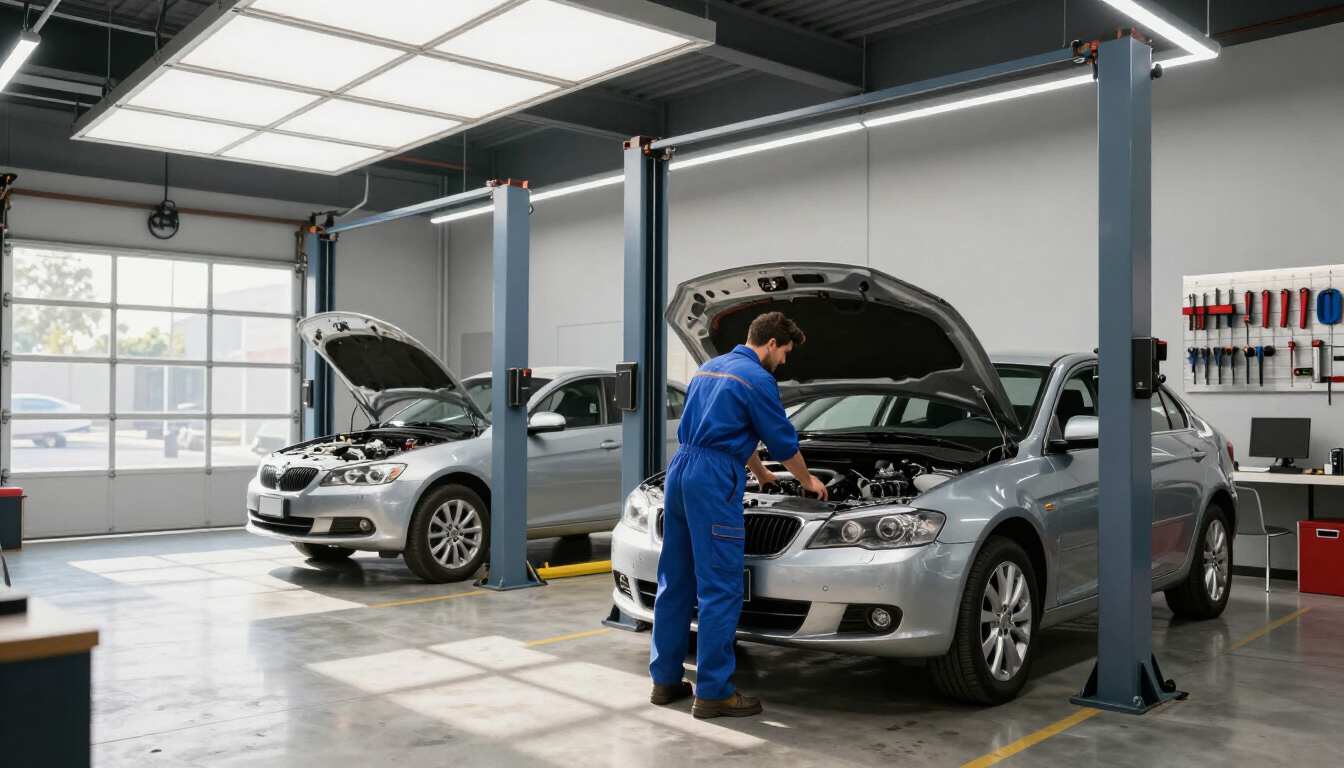
Keeping your car in top shape requires a blend of routine check-ups and reactive repairs when things go wrong. For drivers in Georgia, the heat and humidity can take a significant toll on everything from your battery to your cooling system. Modern vehicles are incredibly complex, relying on a network of sensors and computers to function, which makes professional oversight more important than ever. By staying on top of the basics, you prevent minor issues from snowballing into catastrophic engine or transmission failures.
There are several key services that every vehicle owner in Lithia Springs should prioritize to keep their car running smoothly year-round. These services are designed to address wear and tear before it affects your safety on the road:
- Routine Oil Change to lubricate engine components.
- Professional Brake Repair for reliable stopping power.
- Tire rotations and alignments to ensure even tread wear.
- Fluid flushes for the cooling and transmission systems.
- Battery testing to avoid unexpected breakdowns in the heat.
By focusing on these core areas, you ensure that your vehicle performs at its peak efficiency. Not only does this save you money on fuel, but it also preserves the resale value of your car. Whether you are commuting into Atlanta or heading out for a weekend at Sweetwater Creek State Park, a well-maintained vehicle provides the peace of mind you deserve.
Why is regular preventative maintenance important?
Preventative maintenance is the most effective way to lower the total cost of vehicle ownership. Many drivers view a trip to the mechanic as a nuisance, but in reality, Preventative Maintenance is an investment. It allows technicians to spot small leaks, frayed belts, or worn-out spark plugs before they leave you stranded on the side of I-20. When you follow the manufacturer's recommended service schedule, you are essentially following a blueprint for vehicle longevity that has been tested by the engineers who built the car.
In our Lithia Springs climate, rubber components like belts and hoses tend to degrade faster due to temperature fluctuations. Regular inspections allow us to catch these issues early. Furthermore, modern engines are designed with very tight tolerances. Even a small amount of sludge buildup from skipping oil changes can lead to significant performance drops or expensive repairs. Think of preventative care as a routine physical for your car—it’s much easier to treat a minor symptom than to perform a major "surgery" like an engine replacement later on.
Beyond the mechanical benefits, there is a significant safety component to regular maintenance. During a routine service, mechanics often check your lights, wipers, and suspension components. These are items that drivers often overlook until they fail during a heavy Georgia rainstorm. By being proactive, you aren't just protecting your wallet; you are protecting yourself and your family. Consistency is the key; having a history of regular service records also makes your vehicle much more attractive to buyers if you ever decide to sell or trade it in.
Key differences in Asian and domestic vehicle service
While all cars serve the same basic purpose, the way they are engineered can vary wildly between Asian imports and domestic brands. Asian manufacturers like Toyota, Honda, and Nissan often prioritize compact engineering and high-efficiency systems. This frequently requires specialized fluids and specific diagnostic software that differ from what you would use on a Chevrolet or a RAM truck. A technician needs to understand these nuances to ensure that the vehicle is repaired to factory specifications without compromising its long-term reliability.
Domestic vehicles, on the other hand, often feature larger engine displacements and different electrical architectures. For example, servicing a heavy-duty domestic truck involves looking at towing capacities and drivetrain stresses that you might not encounter with a compact sedan. Our shop is equipped to handle these differences, ensuring that whether you have a precision-engineered Lexus or a rugged Jeep, the parts used and the techniques applied are exactly what the manufacturer intended. This dual expertise is what makes a local Lithia Springs shop so valuable to the community.
How often does my car need a professional inspection?
Most experts recommend having Vehicle Inspections performed at least twice a year, or roughly every 5,000 to 7,500 miles. A great rule of thumb for Georgia drivers is to have your car inspected at the start of summer and the start of winter. The extreme heat of July can be just as hard on a vehicle as a surprise cold snap in January. These inspections provide a comprehensive overview of your car’s health, covering everything from fluid levels to the condition of your undercarriage and suspension.
If you are planning a long road trip or if you have recently purchased a used vehicle, an inspection is absolutely non-negotiable. We often see cars that look perfect on the outside but have hidden issues like rusted brake lines or leaking shock absorbers that only a professional can spot. By getting an inspection, you receive a detailed report of your vehicle’s condition, which helps you prioritize upcoming repairs. This transparency allows you to budget for future maintenance rather than being hit with a surprise bill when a part finally fails completely.
When should I bring my car in for a check engine light?
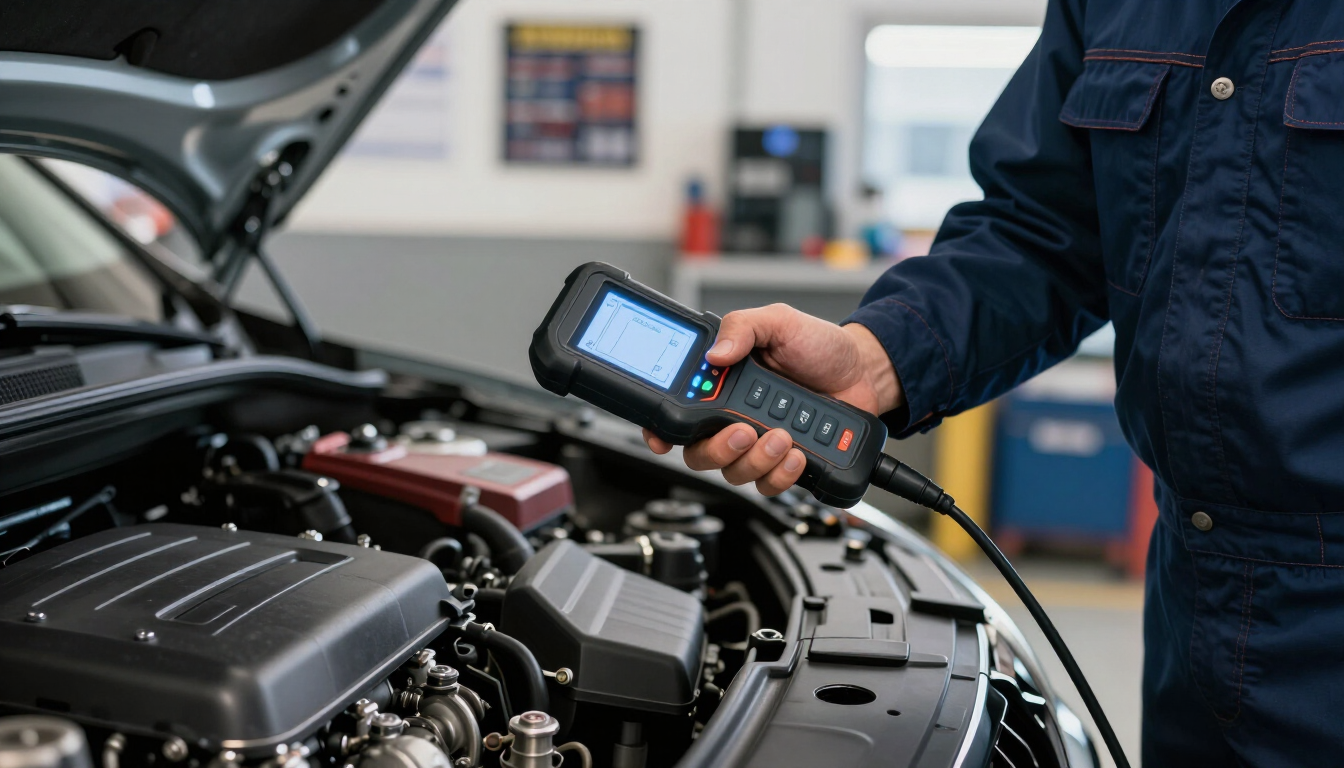
You should bring your car in for a diagnostic check as soon as the Check Engine Light appears on your dashboard. While it is tempting to ignore the light if the car seems to be running fine, this indicator is often the first warning of a problem with your emissions system, fuel system, or ignition. Ignoring it can lead to decreased fuel economy and, in some cases, damage to expensive components like the catalytic converter. If the light is flashing, that indicates a severe misfire, and you should stop driving immediately to avoid permanent engine damage.
Modern onboard diagnostics (OBD-II) provide a code that points our technicians in the right direction, but the code is only the starting point. A professional mechanic uses that information to perform a series of tests to find the exact root cause of the problem. This saves you time and money by preventing the "parts cannon" approach where components are replaced blindly. In Lithia Springs, we have the tools to quickly decode these warnings and get you back on the road with a vehicle that is running cleanly and efficiently.
The roadmap to long-term vehicle reliability
Maintaining a vehicle in Lithia Springs requires a commitment to quality service and a proactive mindset. By choosing a shop that understands both Asian and domestic vehicles, you ensure that your car receives the specific care it needs based on its unique engineering. Regular maintenance, timely diagnostics, and professional inspections are the pillars of a reliable vehicle that will serve you for hundreds of thousands of miles. Remember that your car is one of your most significant investments, and treating it well pays dividends in safety, performance, and long-term savings.
To summarize the best path for your vehicle's health:
- Choose a shop with local Lithia Springs expertise and modern tools.
- Never skip your scheduled Oil Change or fluid services.
- Address any Check Engine Light warnings immediately to avoid costly repairs.
- Schedule bi-annual Vehicle Inspections to stay ahead of wear and tear.
- Trust the experts for specialized Asian car repair and domestic service.
Taking these steps will ensure your car remains a reliable partner for your daily commute and weekend adventures throughout Georgia. Whether you need a simple fix or complex diagnostics, your local Lithia Springs auto repair professionals are here to help.